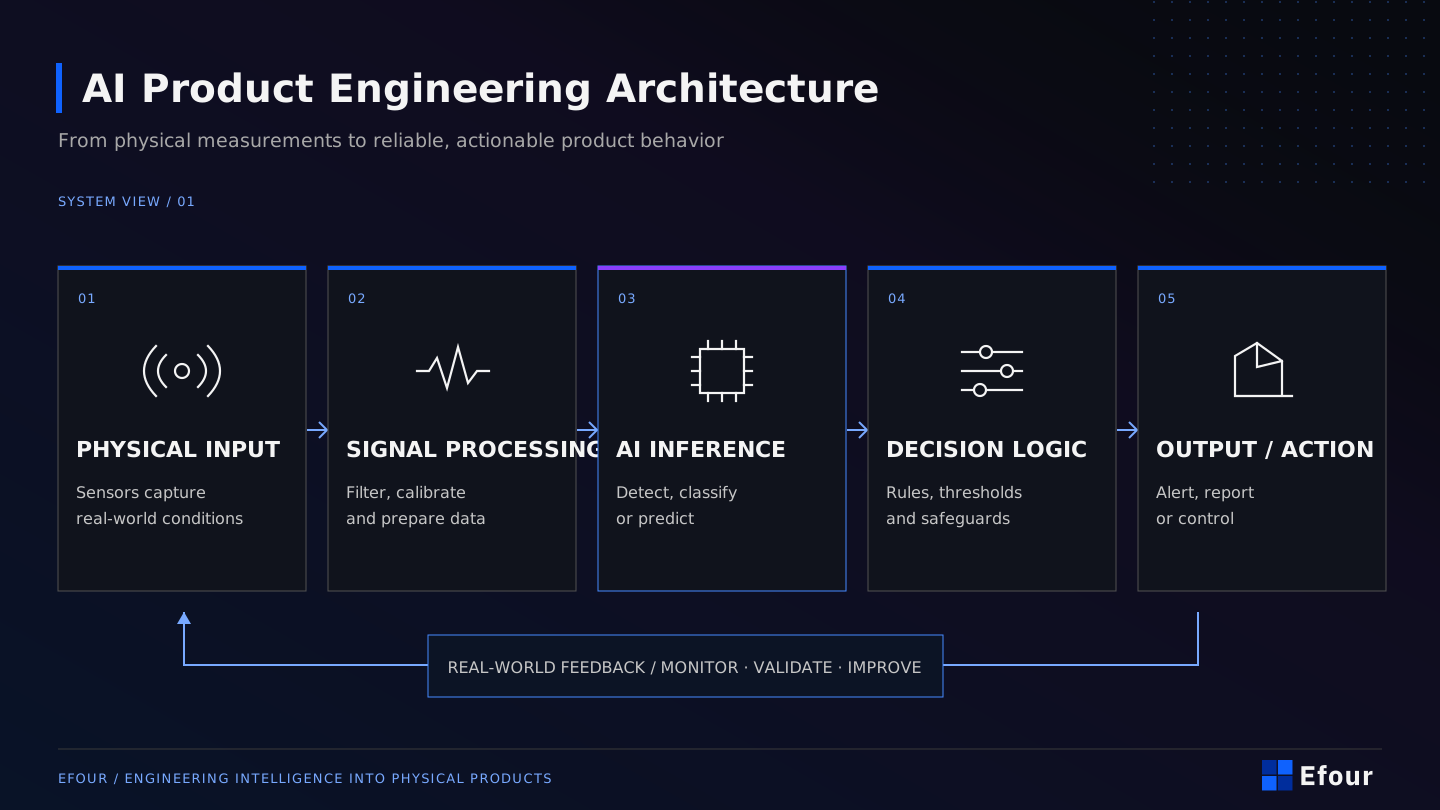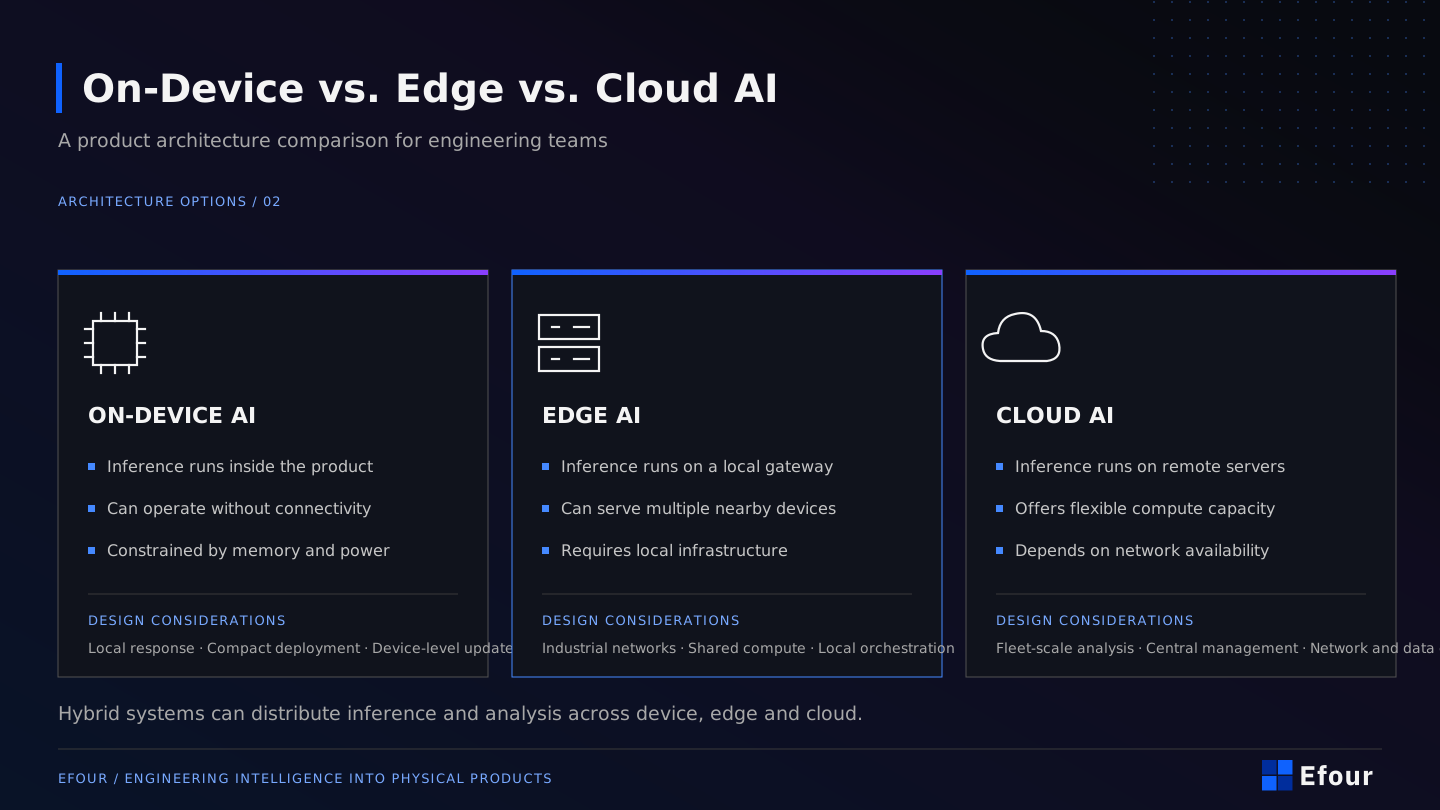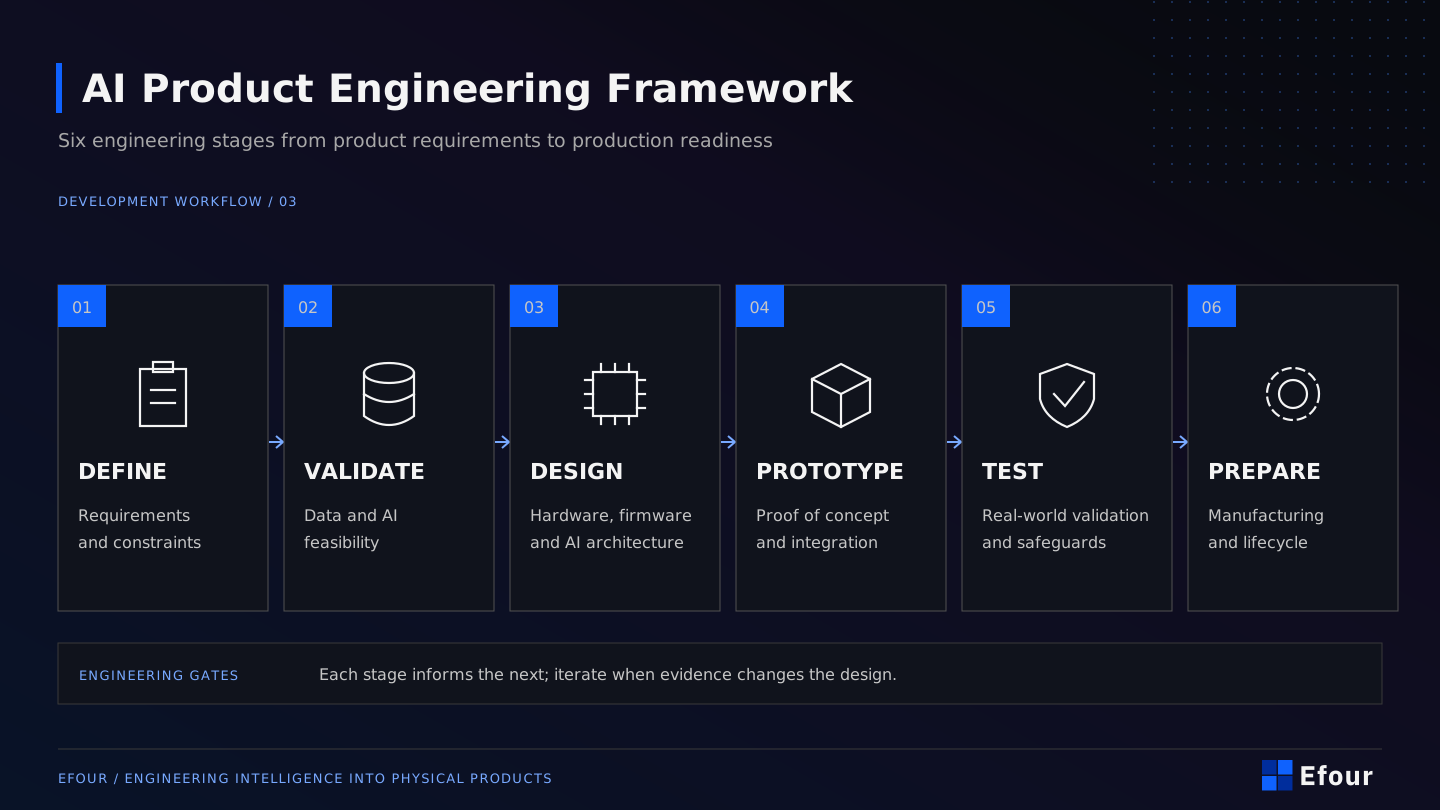
For manufacturers and enterprise product teams, that distinction changes almost every engineering decision.
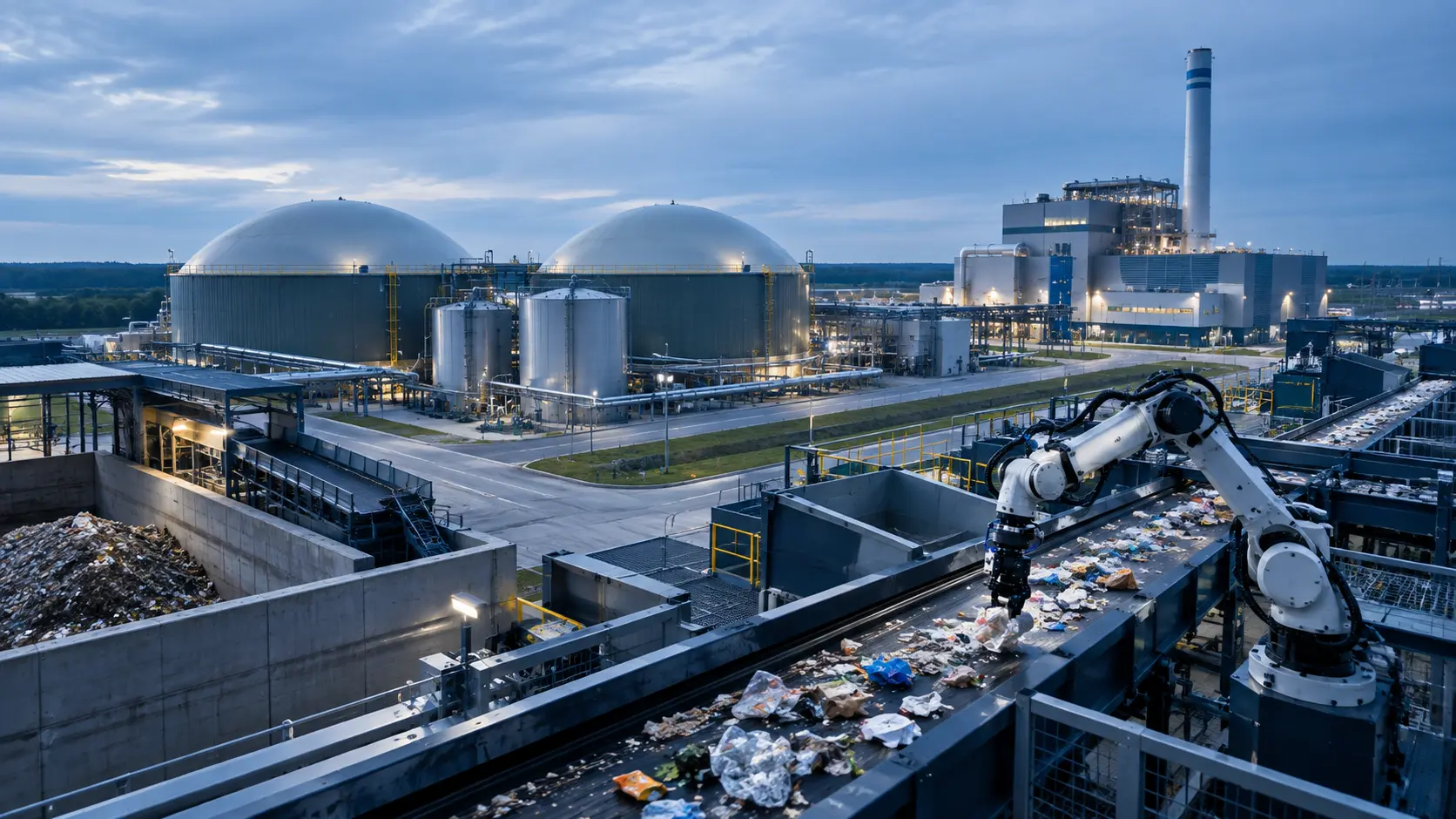
Consider an industrial inspection system. A computer vision model may identify a defective component in a controlled demonstration. But can the complete system detect defects on a moving production line, under changing lighting conditions, without disrupting existing machinery? Can its hardware maintain the required inference speed? What happens when detection fails, and how will the system be tested, maintained, and updated after deployment?
These are product engineering questions, not simply AI development questions.
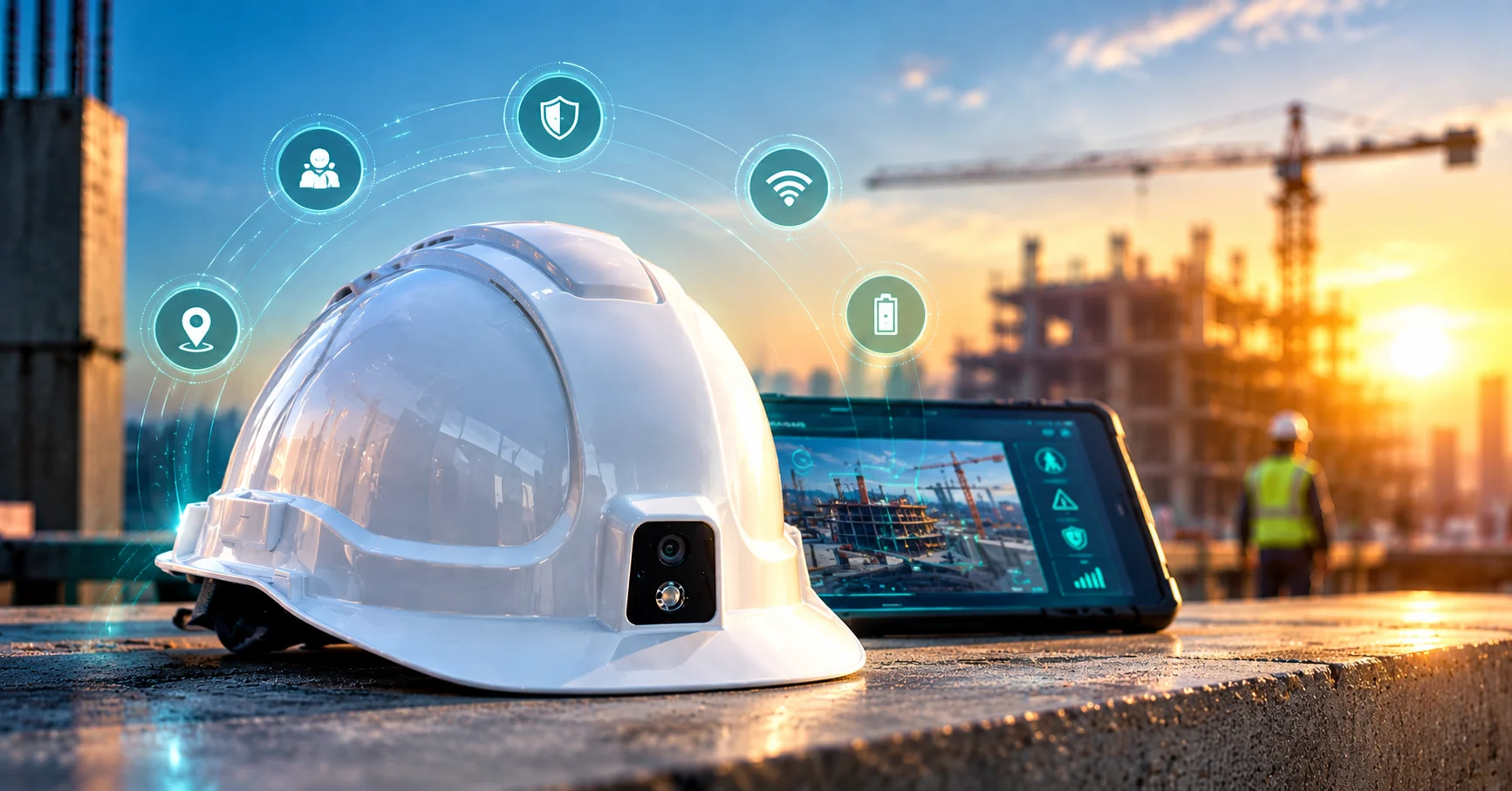
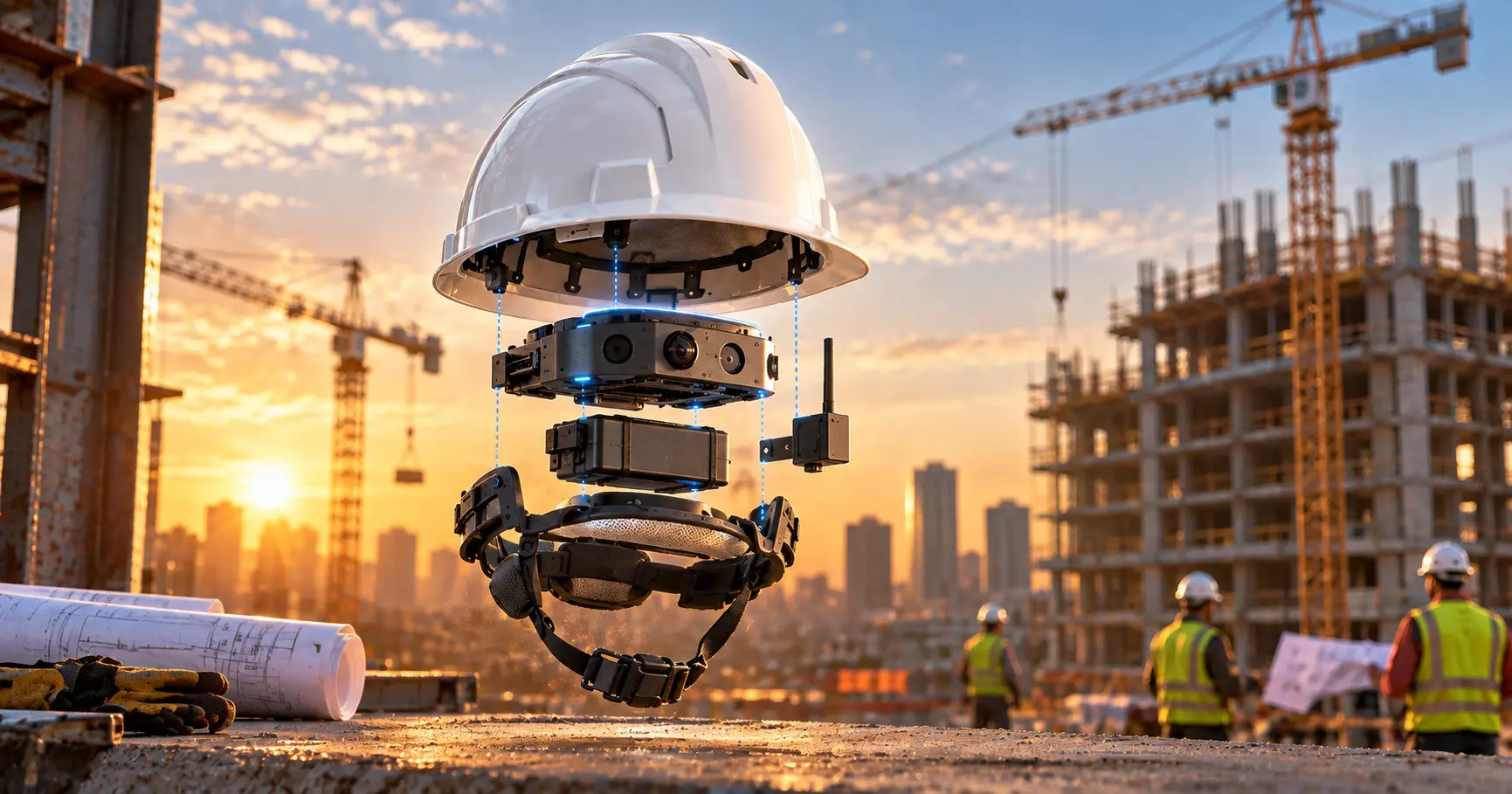
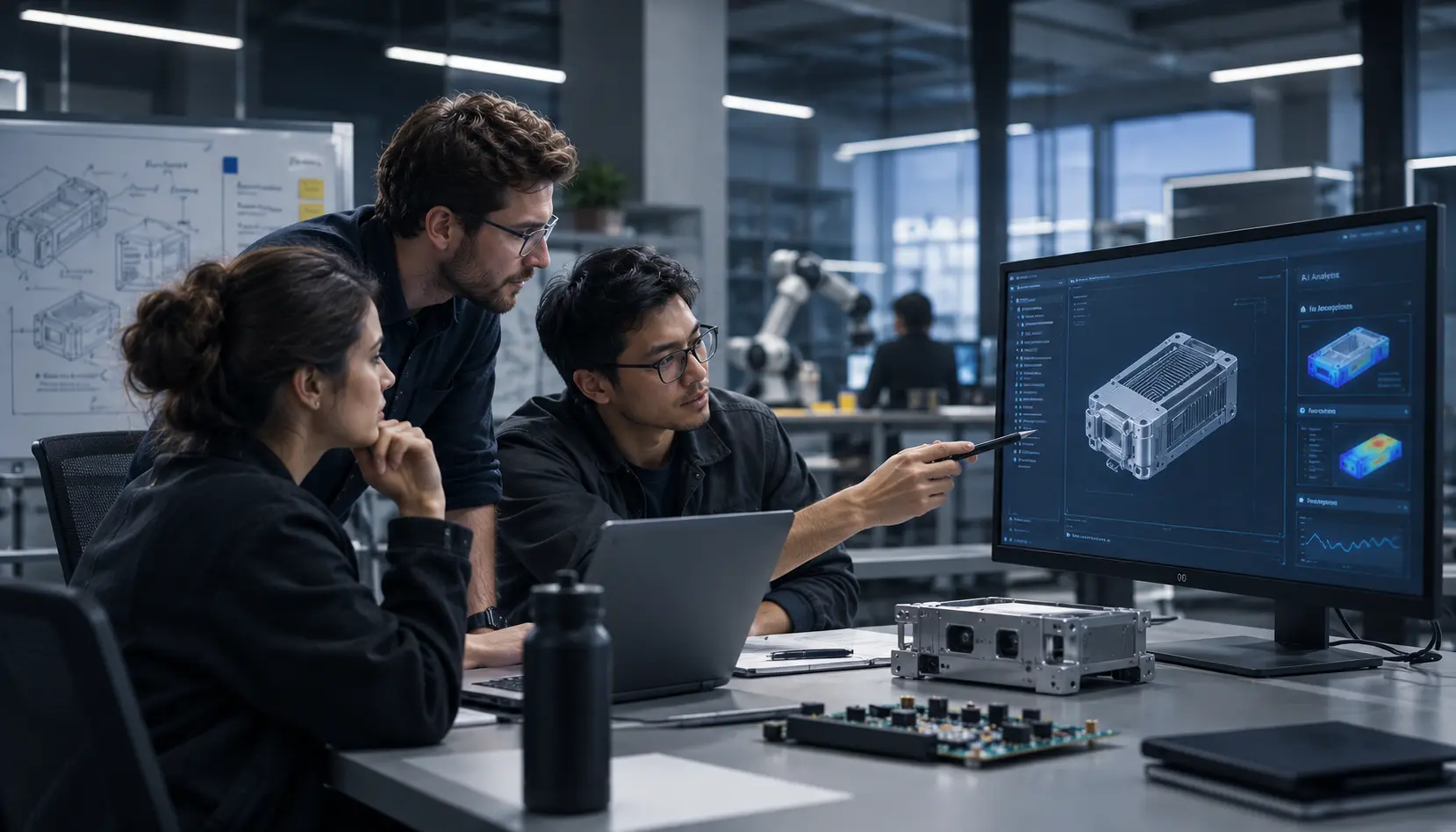
At Efour, we approach AI as one component of a larger physical product architecture. Our work spans hardware design, embedded systems, sensor integration, connectivity, machine learning, testing, and manufacturing considerations. The objective is to determine where intelligence creates measurable product value and how to engineer that capability into a dependable system.
This guide explains how we evaluate AI opportunities in physical products, the engineering trade-offs involved, and what enterprise teams should establish before moving from an idea to a production-ready design.